
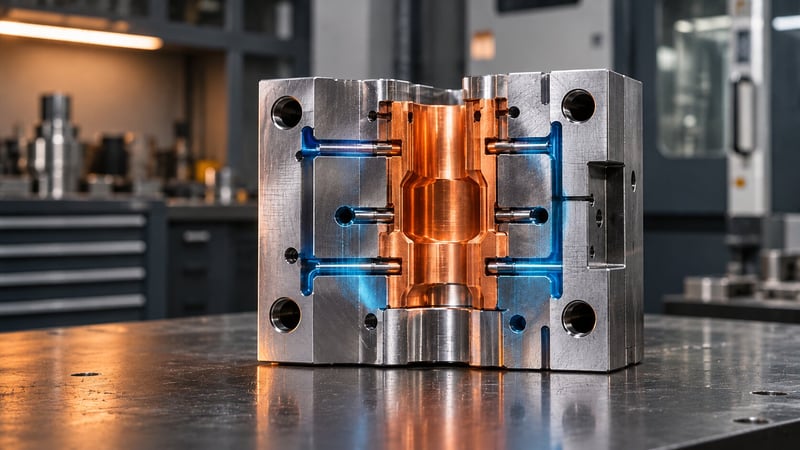
Thermal Conductivity in Injection Mold Design
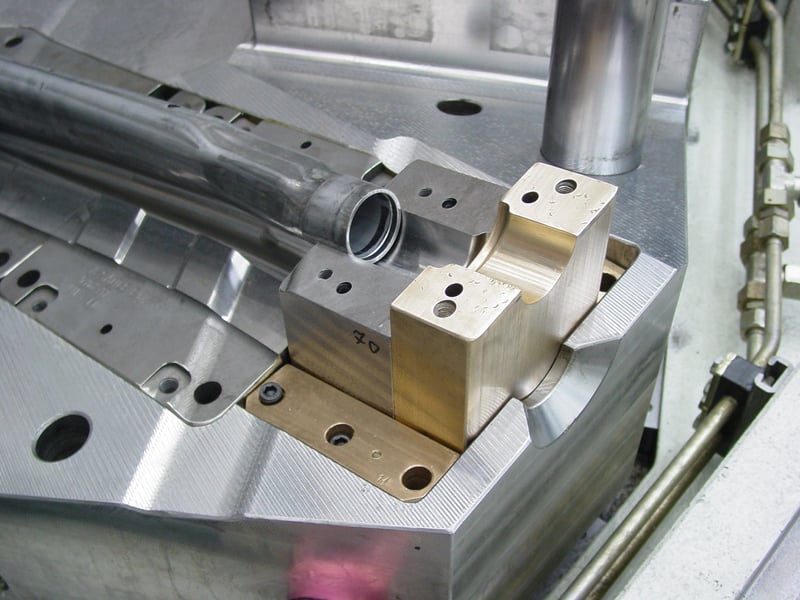
Thermal conductivity is one of the primary factors governing the rate at which heat moves through a mold's core and cavity material during the cooling phase of injection …
AMPCO METAL
Engineering knowledge on copper-based alloys, manufacturing processes and industrial applications — written engineer to engineer.
Thermal conductivity is one of the primary factors governing the rate at which heat moves through a mold's core and cavity material during the cooling phase of injection …
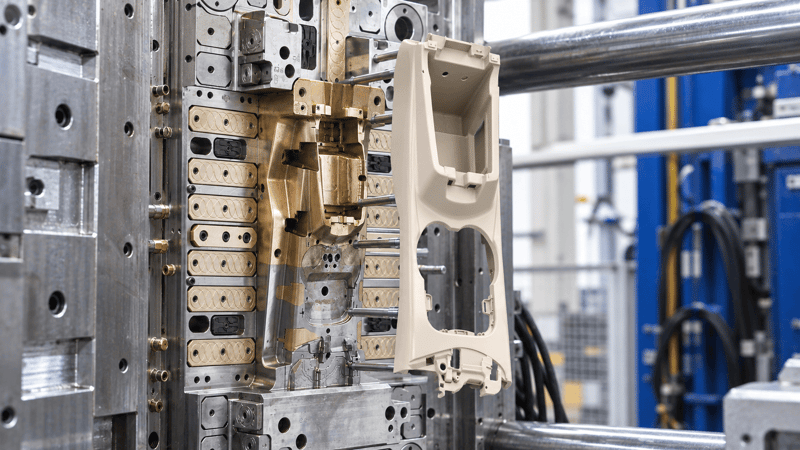
Heat transfer bottlenecks occur when the mold material cannot conduct heat away from the cavity as quickly as the process requires. This results in uneven cooling across …
Cycle time inefficiency is the gap between the cycle time a process should achieve and the cycle time it actually achieves. The gap is easy to measure, but its cause is n…
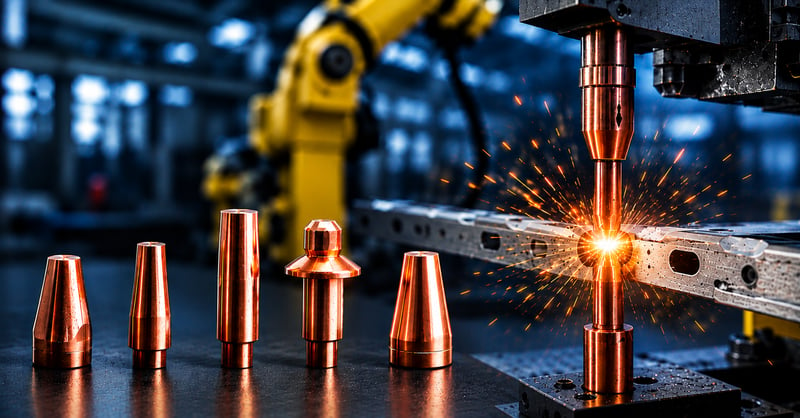
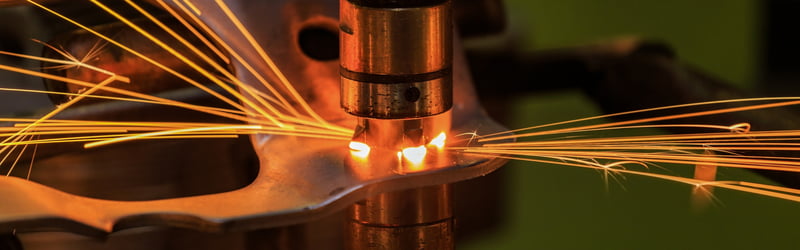
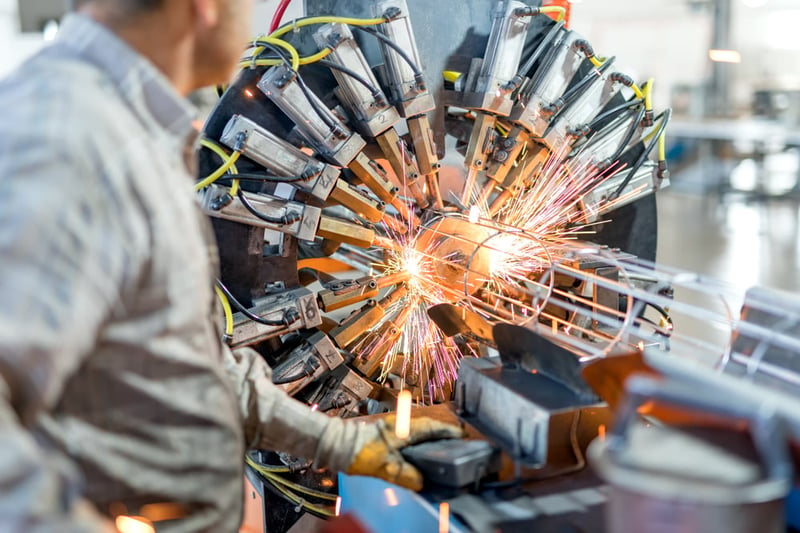
Material selection in welding environments is often validated only after performance limitations become visible in production. These limitations typically appear as incre…
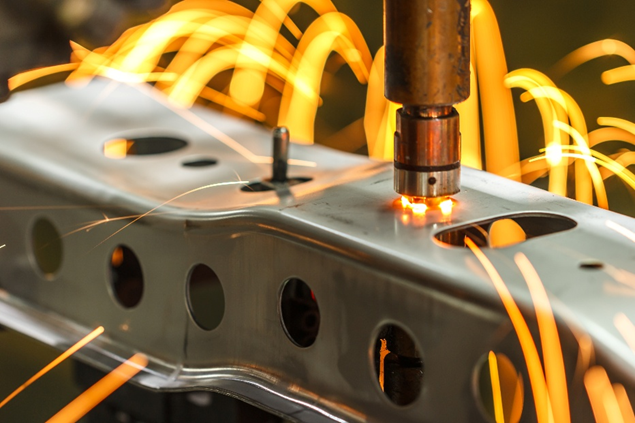
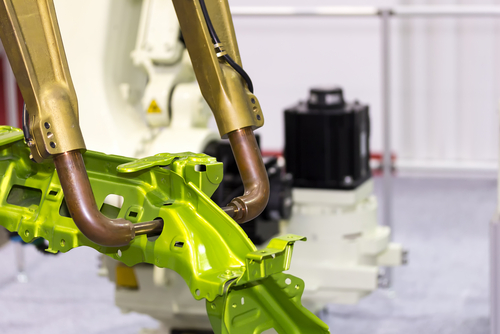
Resistance welding electrode selection is a material-driven decision that directly determines process stability, maintenance frequency, and weld consistency. Electrode pe…
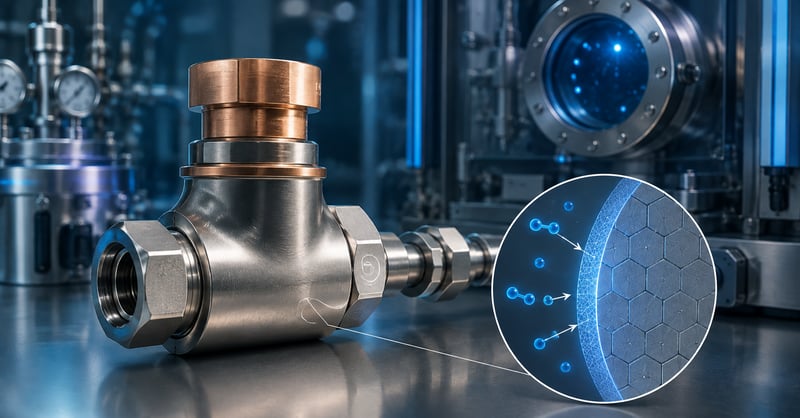
Hydrogen infrastructure is becoming one of the defining engineering questions in the hydrogen economy. Production capacity, electrolyzer costs, and low-carbon supply rema…
Hydrogen is the smallest atom in nature. While it is useful in energy, chemical, and industrial processes, its size is central to its material risk, especially in metals.…
Hydrogen changes how engineers need to think about material selection. In conventional mechanical design, the first questions often concern strength, wear, corrosion resi…
In cold-chamber high-pressure die casting (HPDC), piston selection is a critical decision for production stability. The piston system influences the heat extraction from …
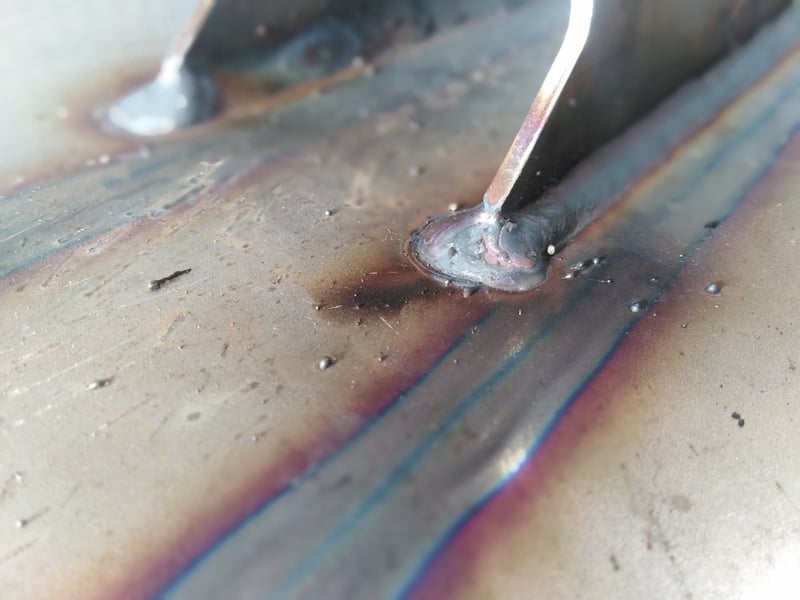
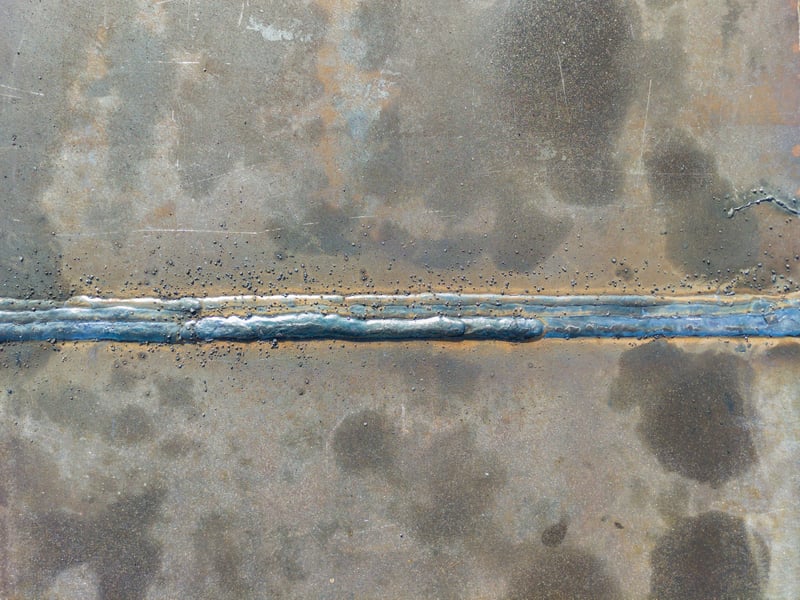
Weld spatter in MIG/MAG welding results from arc instability, shielding gas composition, and surface condition. Its impact on fixtures and tooling is determined by how ma…
The chemical composition of an aluminum bronze defines what it could be. The manufacturing process defines what it actually is in service. Two materials with identical co…
If you have already identified aluminum bronze as the right material family for your application, the next decision is which grade. The AMPCO® product line covers a struc…
Aluminum bronze is a family of copper-based alloys distinguished by aluminum as their primary alloying element, typically present at 5% to 12% by weight. Unlike tradition…
In most industrial conductivity applications, the first material on the table is pure copper (C11000). It offers the highest electrical conductivity of any commercially a…
In high pressure die casting, the effectiveness of venting depends on how reliably air can escape or be extracted before the metal flows in. The correct configuration com…
High pressure die casting pistons are used where heat, pressure, and sliding contact overlap. A copper-alloy piston head can pull heat out of the biscuit and gate region …
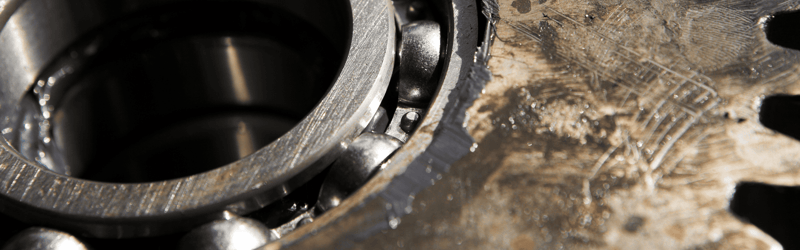
In the die casting process, the fastest gains usually come from improving repeatability at the shot end and air evacuation, not from pushing machine settings harder. High…
High-pressure die casting cycle time is largely decided by shot timing: phase 1 and phase 2 piston speed, the switch-over point, resulting gate velocity, then filling tim…
Die casting defects can be attributed to the following causes, among others: unstable cavity filling, ineffective air evacuation, or unbalanced solidification. This artic…
How does high pressure die casting work? Molten metal is injected into a steel die at high pressure, quickly filling the cavity and solidifying into a precise shape. The …
RWMA classes give engineers a practical baseline for resistance welding electrode selection by grouping copper-based electrode alloys by typical conductivity and strength…
Welding electrode lifespan is often limited by how well the alloy holds its properties under repeated heat and force. Copper alloy microstructure drives electrode tip lif…
In resistance welding, welding electrode materials directly influence current and heat transfer, tip stability, and wear rates. For resistance welding electrodes, copper …
Thermal conductivity plays a direct role in resistance welding stability because it influences how quickly heat is removed from the electrodes and surrounding tooling. Th…
Weld defects can turn a stable resistance welding process into scrap, rework, and downtime. Our article explains how common defects form, what typically causes them, and …
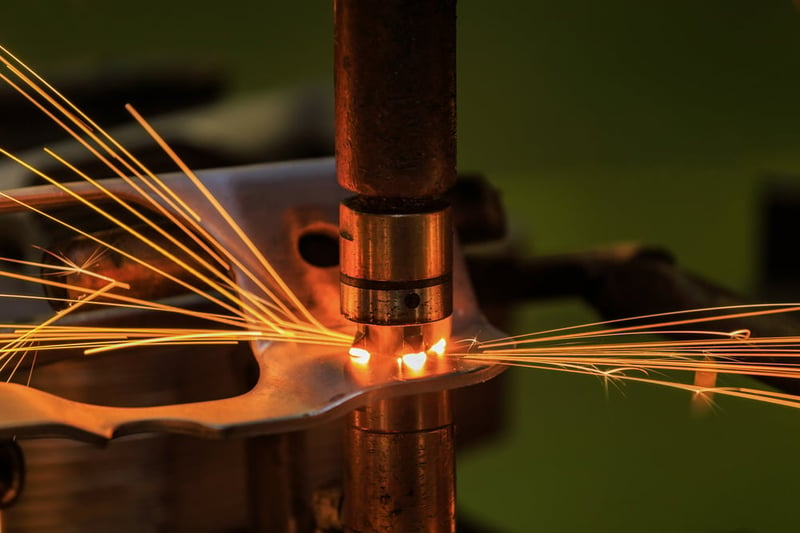
Resistance welding delivers fast, repeatable joining for high-volume production, but results depend on tight control of current, time, force, and electrode condition. Thi…
Offshore equipment operates in some of the most demanding environments, where saltwater, pressure, and constant motion accelerate material degradation. AMPCO alloys offer…
Seawater corrosion resistant materials are essential in desalination systems, where metals are exposed to high salt concentrations and constant flow. AMPCO® alloys offer …
Salt water corrosion severely impacts marine equipment, causing metal loss and costly repairs. Aluminum bronze stands out for its ability to resist this harsh environment…
Corrosion resistant materials are essential in industries where metals face constant exposure to moisture, chemicals, or heat. They ensure equipment reliability, reduce m…
The effects of corrosion go far beyond visible surface damage. In industrial settings, corrosion weakens metal structures, disrupts performance, and leads to costly maint…
Corrosion is the gradual deterioration of metal caused by chemical reactions with its surroundings. Understanding what is corrosion and how to prevent it helps industries…
Reducing downtime is one of the most effective ways to improve productivity in wear-intensive industries. Equipment that operates under constant friction and load faces s…
Wear resistant alloys are critical to maintaining performance and reliability in industrial equipment. By minimizing friction and surface degradation, these materials ext…
Surface wear is a progressive form of material degradation caused by friction, sliding contact, and repetitive stress. In industrial operations, it alters surface geometr…
Sliding wear is one of the most common causes of material loss in machinery and industrial components. It occurs when two surfaces move against each other under load, lea…
Material wear occurs gradually, but has significant financial consequences in manufacturing. It leads to part replacement, maintenance interruptions, and reduced producti…
Every moving part experiences wear over time. In manufacturing, this gradual material loss affects performance, efficiency, and lifespan. Understanding what wear is and h…
3D printing challenges in industrial production often stem from the limitations of materials rather than the process itself. AMPCO copper alloys are engineered to overcom…
Additive manufacturing applications succeed or fail based on the materials behind them. AMPCO copper alloys have proven their value in real production settings, deliverin…
Additive manufacturing materials define the performance of every printed component, and thermal conductivity is one of the most critical properties. Copper alloys are eme…
Metal additive manufacturing has long promised efficiency and design freedom, but its real breakthrough comes from the materials behind it. Copper alloys are transforming…
Additive manufacturing technology is evolving beyond its early role, with new trends shaping how industries use it today. Advances in metal processes, performance-driven …
What is additive manufacturing, and why does it matter today? Once used mainly for prototypes, it now drives full-scale production across industries. By building parts la…
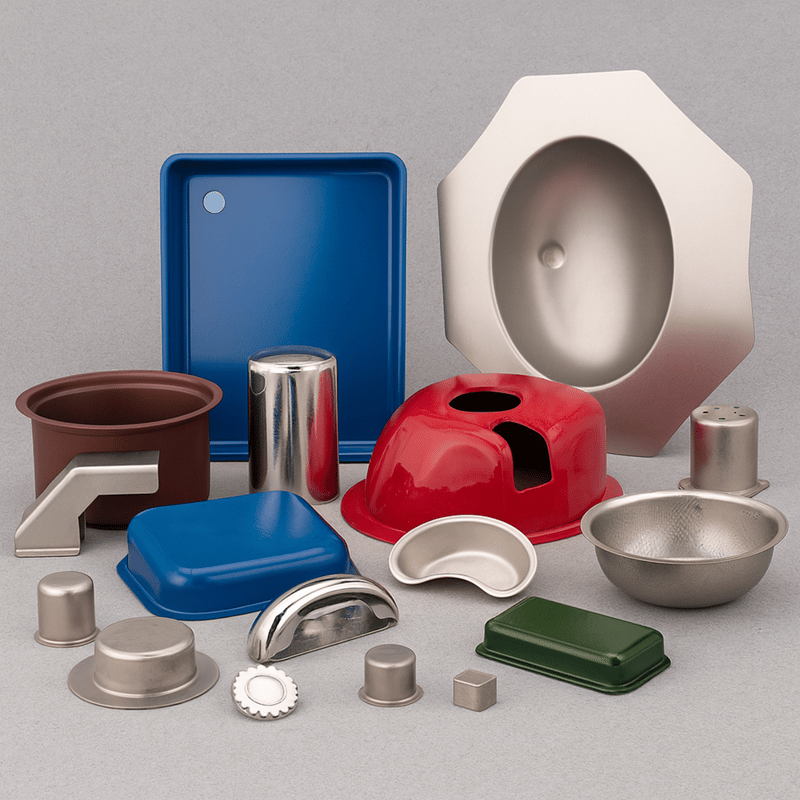
Surface quality is one of the most critical performance factors in deep drawing. AMPCO® Aluminum Bronze helps achieve superior surface finishes on deep drawn steel compon…
Deep drawing defects often originate from friction, heat, and uneven material flow during forming. AMPCO® aluminum bronzes reduce these issues by ensuring smoother tool s…
Deep drawing tools must withstand continuous friction, pressure, and heat while delivering flawless surface quality. AMPCO® Aluminum Bronze, known for their strength, wea…
In deep drawing, aluminum bronze is used as a tooling material for dies, punches, blank holders, and draw rings. Its wear resistance, heat dissipation, and clean surface …
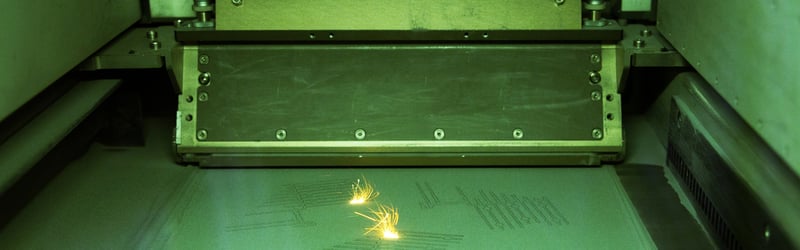
Selecting the right deep drawing materials is critical for achieving consistent, high-quality results. While steel is widely used, aluminum bronze offers many unique adva…

The deep drawing process is a key sheet metal forming method that produces seamless, precise shapes for industries ranging from automotive to packaging. Its efficiency an…
Excessive tool wear in tube forming disrupts production, increases costs, and shortens tool lifespan. By addressing the root causes and applying advanced alloy solutions,…
In tube forming, forming tool durability determines throughput and quality. Aluminum bronze alloys help tools resist wear, galling, and distortion under continuous load, …
Tube forming applications demand tooling that delivers precision and durability under continuous stress. AMPCO aluminum bronze alloys meet these demands by minimizing wea…
Excessive wear in tube forming can shorten tool life, reduce product quality, and cause costly downtime. By addressing the causes and choosing the right materials, manufa…
From early carbon steels to advanced copper-based alloys, tube forming materials have evolved to meet higher demands for parameters like precision, quality, durability, a…
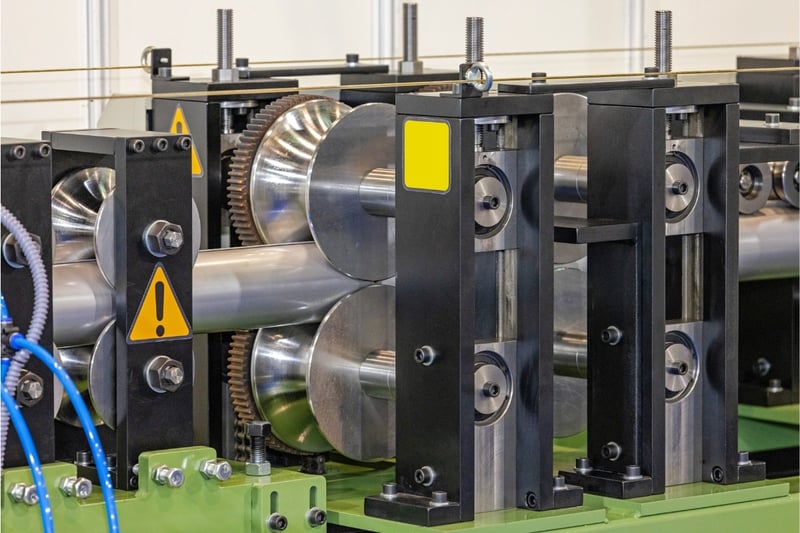
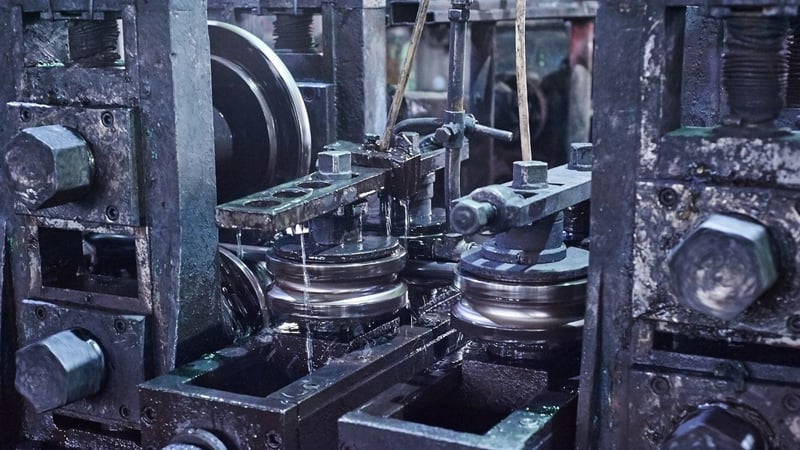
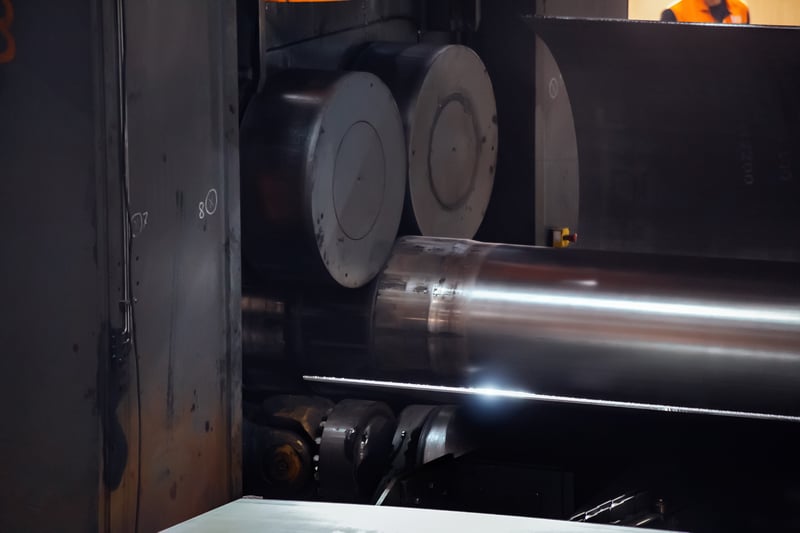
The tube forming process shapes and modifies metal tubes to exact specifications, enabling high-quality, repeatable production. Used across industries, it combines specia…
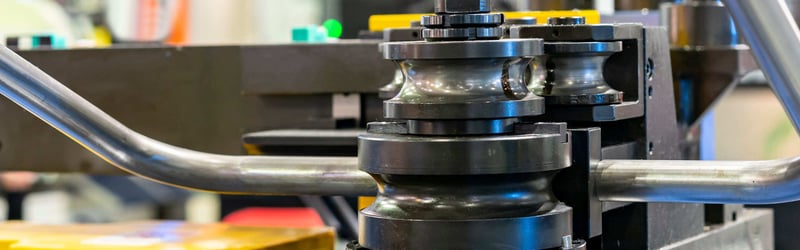
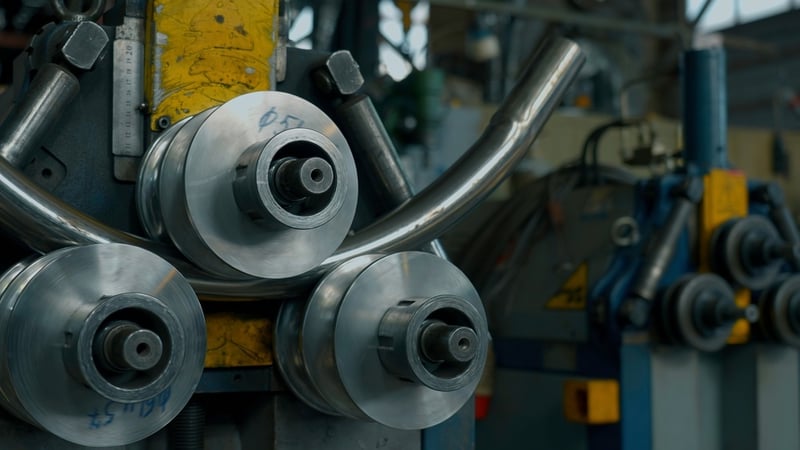
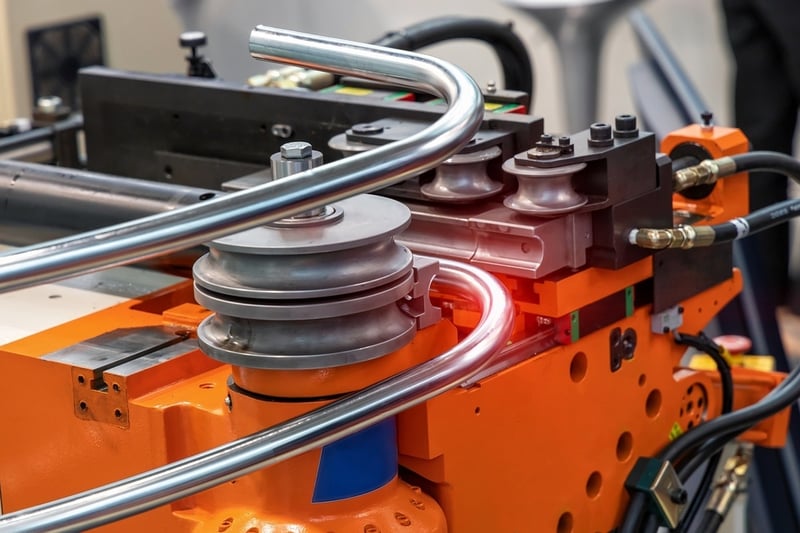
AMPCO® Aluminum Bronze alloys improve the efficiency of tube bending methods by reducing tool wear, lowering friction, and maintaining shape over time. This leads to fewe…
AMPCO® Aluminum Bronze alloys support precision tube bending by maintaining stable tool geometry, reducing friction, and preventing surface flaws. Their consistent perfor…
AMPCO® Aluminum Bronze alloys prevent tube bending defects by improving tool stability, minimizing friction, and resisting wear. Their use significantly reduces wrinkling…
Steel tube bending used to be done by hand. Today, it relies on accurate and controlled machines. Understanding how the process has changed gives a clearer look at modern…
The tube bending process has evolved significantly over the years, driven in large part by advances in material technology. What once required a lot of input and generate…
Even minor tube bending problems can cause scrap, rework, or poor part performance. Issues like wrinkles, crimping, and deforming often result from preventable oversights…
Tube bending plays a critical role in manufacturing applications ranging from automotive systems to industrial equipment. For those who wish to learn how to bend tubing, …
In mandrel assemblies, reliable clamping depends on precision force transfer. Bronze wedges convert motion into secure coil engagement, while minimizing slippage, resisti…
When mandrel components begin to wear, it rarely happens in isolation. Misalignment, surface scoring, and coil inconsistencies often follow. That’s why bronze wear plates…
Gear failures in steel mill drive systems are often sudden. Galling or tooth damage leads to a loss of torque, alignment, and especially. Bronze gears are a proven altern…
Downtime in strip rolling mills often starts with overlooked components like bushings. Using well-designed bronze bushings can significantly improve uptime due to increas…
Durability is everything in steel manufacturing. From rolling mills to forming dies, wear-resistant alloys keep production running by resisting heat, friction, and pressu…
In heavy industries, performance depends on the correct materials. Nowhere is this more evident than in steel mills, where choosing the right alloys can mean the differen…
Every minute of downtime in a steel mill means a loss of production, higher costs, and reduced efficiency. Optimizing the steel mill process is key to maintaining continu…
Steel mills transform raw materials into one of the most essential industrial products. But how does a steel mill work in practice? Understanding its key processes and ch…
Stainless tubing fabrication is a demanding process where precision, efficiency, and durability are essential. However, issues like bushing wear and welding defects can d…
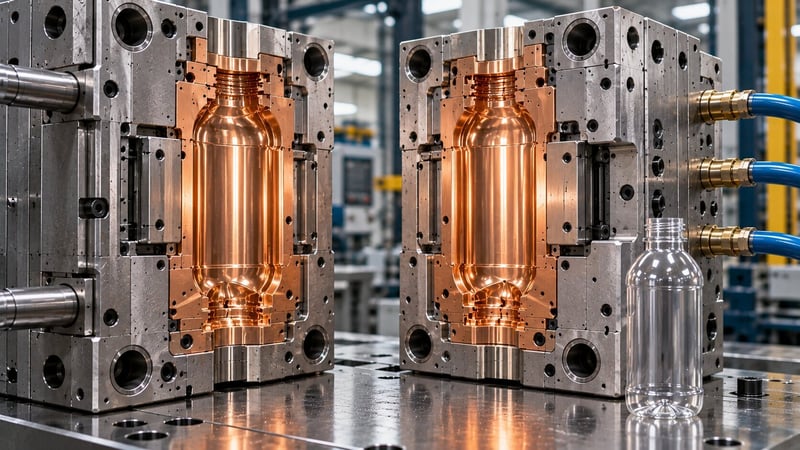
Consistently achieving high-quality plastic components demands effectively preventing common injection molding defects. Leveraging advanced mold materials such as the AMP…
Optimizing injection molding cycle times is crucial not just for maintaining efficiency, but also profitability. By leveraging the exceptional thermal properties of coppe…
The new Paradisi diver watch boasts a casing crafted from an AMPCO bronze alloy that blends durability with timeless elegance. A one-of-a-kind collaboration where advance…
Plastic sustainability is shaping the future of manufacturing. As industries look for more ecological solutions, five key trends are set to reshape plastic production in …
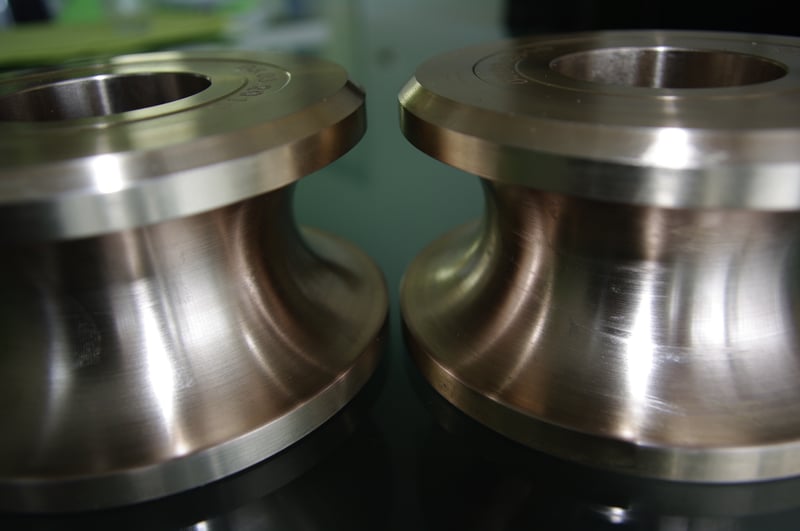
Injection molding materials have evolved significantly, shaping industries with their versatility and efficiency. From early simple plastics to advanced composite materia…
Enhancing the performance of your injection molding machine leads to reduced defects, improved efficiency, and an overall better production quality. Our proven strategies…
Did you know that over 80% of the plastic products you use daily, like bottle caps, car parts, and mobile casings, are created using the same method? This crucial process…
Have you ever wondered how the right materials can dramatically extend the lifespan of your injection molds and slash maintenance costs? Discover the powerful role copper…
Did you know that the right material can transform your injection molding process? Discover how copper alloys do more than just enhance cooling – how do they revolutioniz…
Are you still using stainless steel for your injection molds and wondering if there's a better alternative? What if there was a material that could enhance your productio…
Copper recycling in injection molding significantly reduces energy consumption and emissions, making it a key driver of sustainable manufacturing. At AMPCO METAL, we prio…
The quality of tube bending tools has a direct impact on the precision and integrity of the bent tubes used in industries ranging from aerospace to deep-sea exploration. …
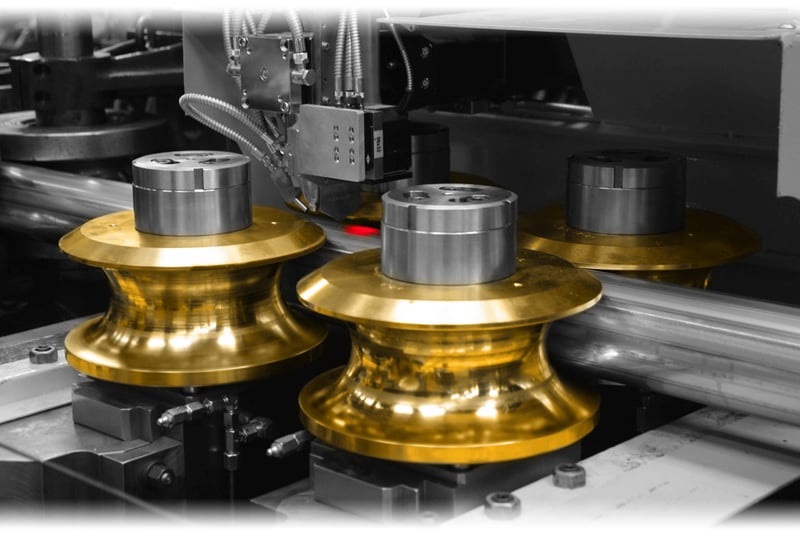
Tube bending is critical in industries like automotive and aerospace, but challenges such as wrinkling, collapse, and spring back can impact quality. Understanding these …
Weld spatter occurs during welding, causing extra costs, equipment damage, and safety risks. AMPCOLOY® is a copper-based alloy with high resistance to heat and wear that …
When it comes to resistance welding, choosing the right electrode is crucial for a strong weld. High copper alloys are an excellent choice for spot and seam welding due t…
The RWMA classification system is used in resistance welding to select the appropriate filler metal for a specific application. By choosing the appropriate RWMA class, en…
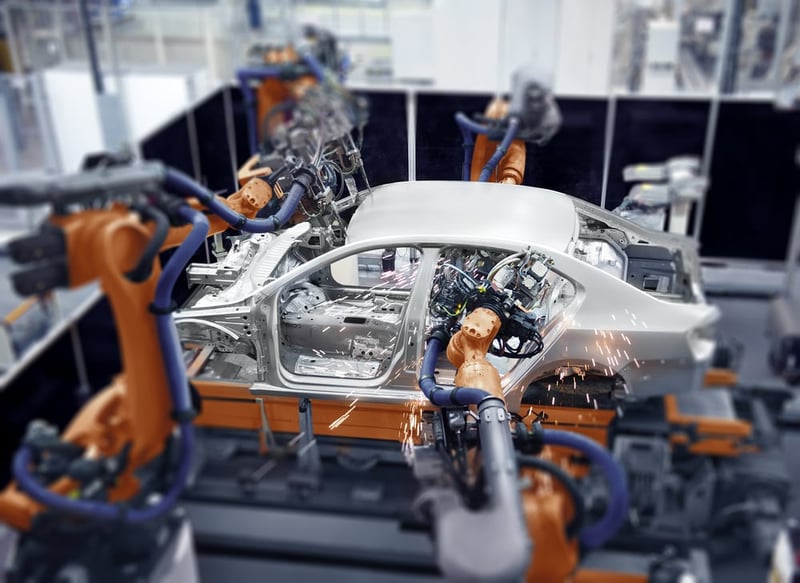
Resistance welding is a popular method in the automotive industry, thanks to its speed, consistency, accuracy, and cost-effectiveness. To enhance performance in this sect…
Aluminum bronzes are often used in industries when wear-resistant materials are needed. AMPCO METAL has developed a technology that makes Aluminum Bronze even more wear-r…
Wear in bearings is usually the result of inadequate lubrication or the presence of contamination. Although some wear is inevitable, there are ways to keep the wear rate …
The aviation industry manufactures equipment that must perform at peak levels under the harshest conditions. Accordingly, it relies on high-performance alloys to ensure t…
Wear is one of the main reasons for downtimes in production. Hence, wear resistance is a well-sought-after property for alloys. Copper alloys such as aluminum bronzes are…
In injection molding, whenever a plastic part has undercuts, the use of a slider is necessary. Otherwise, the plastic part cannot be ejected properly. For this to succeed…
When the intended shape of a molded part is distorted during the cooling phase of injection molding, it is called warpage. It is the most common error pattern when it com…
Copper-based alloys such as aluminum bronze and beryllium bronze are the premium solution for injection molding as they combine good strength, wear resistance, high-tempe…
Injection molding is manufacturers' preferred choice when it comes to mass production due to its simplicity and repeatability. But did you know that copper-based alloys a…
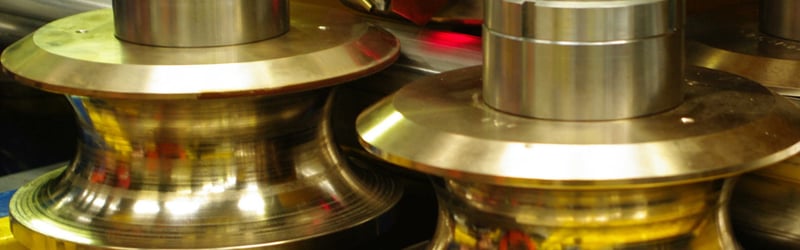
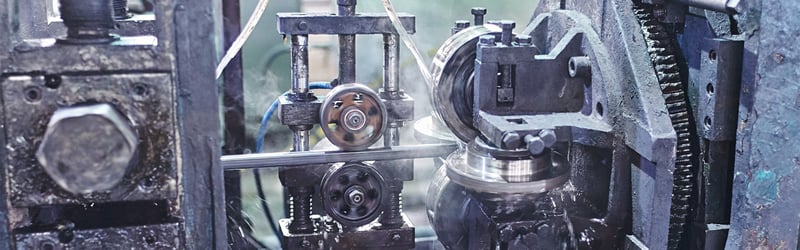
In tube forming, welding rolls and forming rolls have important tasks. In order for them to perform reliably and efficiently even under difficult and demanding conditions…
Tubes are used in various industries. Compared to pipes, they are often subject to precise guidelines and thus are used in structural applications such as metal scaffoldi…
When it comes to deep drawing tools, there are various metals and alloys to choose from. However, for experienced manufacturers the choice is easy: Read why aluminum bron…
Deep drawing is one of the most frequently used metal forming processes. It finds application in various industries but is best known for its use in the automotive indust…
Corrosion has always been a troublesome companion of steel. But there are ways to protect steel parts from corrosion. With electro galvanization, for example. In the foll…
Rolling is a metal forming process to reduce the thickness of steel – or any other metal – and make its thickness uniform. This can be done either above or below the recr…
The rotary valve introduces or discharges cans, or bulk food products, into or from the continuous pressure cooker with out loss of steam or drop of cooking temperature. …
Roller chains in the food processing industry are used on many conveyor systems. These roller chains are subjected to elements such as live steam, corrosion from the wate…
Wear is a constant and bothersome companion in steel production. Therefore, AMPCO METAL has developed a unique technique to strengthen their alloys in order to offer an u…
Wear parts are crucial for the operation of every plant – and especially in such a challenging environment like a steel mill. But what exactly are wear parts?
Nowadays, Steel can be found everywhere. Everyday objects such as cutlery as well as entire houses structures are made of steel. But what does it actually take to produce…
The equipment in steel production is subject to a high level of stress - be it due to heat, weight, or friction. Such an environment is not suitable for all materials. Al…
Tube bending is a science in itself and even experienced engineers do not always find the right answers to the problems that arise. But there are some typical error patte…
Depending on the material in use and the required finishing precision, different techniques can be used in order to bend tubes. In our blogpost you'll get to know the mos…
Do you know the difference between a pipe and a tube? Or have you ever wondered how some of those very sharp angles of a tube are even possible? Our blogpost explains all…
The right choice of tooling material can save you up to 40 % of your production costs. In our blogpost, you'll get to know why copper-based alloys are superior to convent…
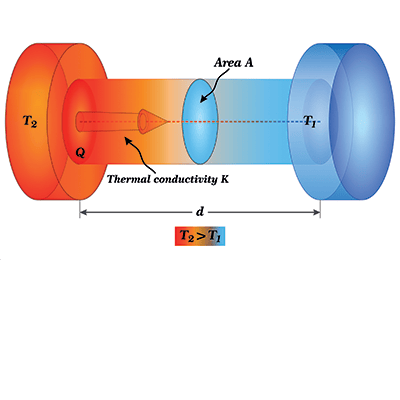
Copper is known for many properties: corrosion resistance, electric conductivity, antimicrobial, recyclable – and thermal conductivity. But what exactly is thermal conduc…
Wear can cause a lot of trouble and is responsible for massive downtimes with heavy economic consequences. But don’t worry: After reading this blogpost you'll know how to…
Tilt casting is a rather rare filling technique, where both the crucible and the gating system are slowly rotated to ensure the fewest possible turbulences. The process, …
There are multiple processes to increase the strength of copper. However, most of them cause a severe decrease of its conductivity – but not all of them. Read about a met…
Copper has some outstanding properties which make it very desirable in many industries. Two of which are ductility and strength. However, in order to get the most out of …
Continuous casting is a cost-efficient metallurgic process that allows the production of metal sections with great quality. Besides steel, mainly aluminum and copper are …
Weld spatters are a welder's biggest enemy and have a massive negative influence on productivity as they may force significant downtimes. But there are ways to reduce wel…
Resistance welding is a commonly used process to join metal parts together by the use of electric current and pressure. There are several different methods, all with thei…
Resistance seam welding is perfectly suitable to produce high quality weld seams in no time. However, to ensure this, the material used for the welding wheel must have th…
Various pressure welding processes are used in the welding industry. Resistance spot welding is one of them. This blogpost explains the process of resistance spot welding…
Whether made of plastic, wood, ceramics, or metals such as steel or copper: Machined parts can be produced from various raw materials. The choice of material, therefore, …
Rejects are unfortunately part of production and cannot be completely eliminated. Therefore, it is important to achieve the lowest possible reject rate. In this blog post…
Standards often go unnoticed, yet there is hardly anything that is not standardised in some form or another. But what are the benefits of standards in the production of m…
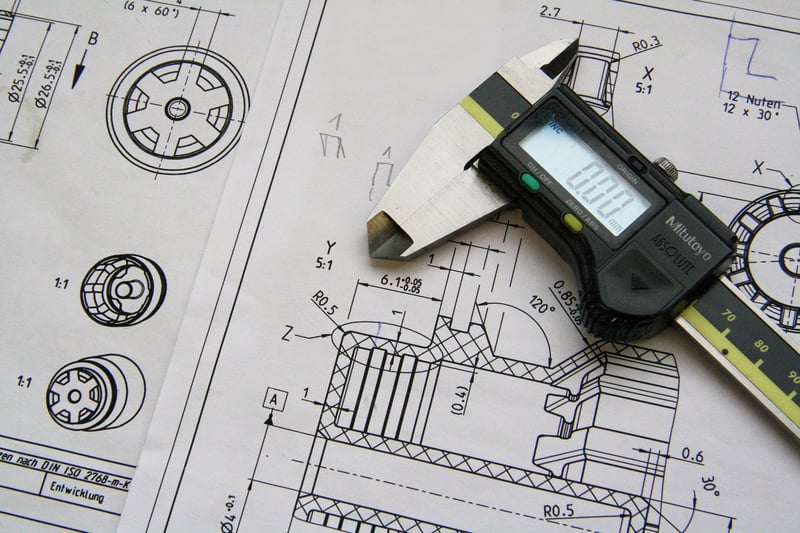
To ensure that a part ultimately meets the requirements, the foundation for it must be laid right at the beginning. An error-free technical drawing is therefore crucial. …
Supply chain management is currently being put to the test. The corona pandemic, which has led to numerous supply bottlenecks or even supply interruptions, is certainly p…
Copper has some outstanding properties. Many of whom we have already highlighted in previous blogposts. One, however, has not yet been mentioned: copper and copper alloys…
Copper alloys like aluminum bronze offer unique material properties such as thermal conductivity, corrosion-resistance, good strength and resistance to fatigue. Read in o…
When welding copper alloys, you have to choose the right welding process. This can be a challenging task. In order to bring some light into the darkness and help you make…
Gas-metal arc welding (GMAW) and gas tungsten arc welding (GTAW) are two different welding processes that are used when welding copper alloys. Even though welding copper …
As successful casting processes are based on a proper casting process design, this blogpost discusses the relevance of the planning of the casting process, the design of …
Sand casting is a thousand-year-old craft that is still widely used today. The process of sand casting consists of many individual steps. This blogpost sheds a light on t…
The choice of the right casting tooling system can be a difficult task. A number of things must be taken into account. Learn in this blogpost, how the production costs an…
The importance of good engineering not only lies in the application of technological know-how but also in the quality measurement and constant improvement of production p…
Molds for sand casting live a short life. Yet they play a crucial role in the industry as roughly 60% of metal castings are produced by sand casting. Learn in this blogpo…
Centrifugal casting is a process that delivers components of high quality. It is a proven technology for applications like jet engine compressor cases, hydro wearings, mi…
The demand for increasing sales efficiency and improved streamlining business processes are important factors contributing to the expansion of the global digital transfor…
One of the key parameters in terms of sustainability today is without doubt energy efficiency. Copper makes products more energy efficient and thus makes our world more s…
Aluminium Bronze alloys are already pretty wear-resistant. But there exists a special technology, which increases this wear-resistance even further and makes the material…
As different as the causes of wear are, as diverse are its types. In this blog post you will learn everything you need to know about wear and tear in industry.
Acid environments are particularly harmful to metals. Among other things, they accelerate corrosion. Materials used in these environments have to be very resistant and wi…
The maritime industry places high demands on its materials. The high salt content in the water and the ocean currents are only two of many factors that promote corrosion.…
Corrosion can lead to cost-intensive damage in your application. The chemical reaction takes place at any time and in any environment. However, certain factors can accele…
Corrosion is the biggest enemy of every metal. The chemical reaction can cause severe damage to metals and even destroy its functionality. Read about possible reasons for…
One thing quite a few manufacturers in the metal forming industry do not seem to know is that there are alternatives to conventional tool steel or coated materials that a…
Deep drawing is a sheet metal forming process that is commonly used in mass production as well as small series production in sectors such as the automobile industry and h…
If you work in the metal forming industry, you probably spend some portion of your time thinking about how to optimize your production and outgrow your competition. There…
Costs are something that manufacturers and engineers in all industry branches have to put up with whether they like it or not. However, the mindset of just accepting cost…
Food safety standards and the certificates that go along with them like the ones issued by the ISO, the International Featured Standard (IFS) or the British Retail Consor…
Manufacturers know that there are certain time losses in production that have to be accepted and cannot be eliminated. In plastics production, a specific time loss occurs…
There is a number of different copper alloys for industry use. The better you know the requirements of your business, the better your choice will be. Apart from cost, the…
Our application engineers compare alloys on measurable properties — hardness, conductivity, yield strength — against your process conditions.