Thermal Conductivity in Injection Mold Design
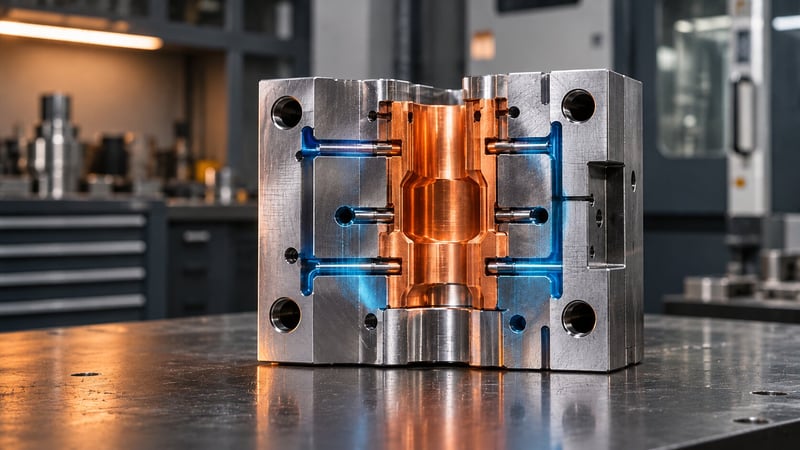
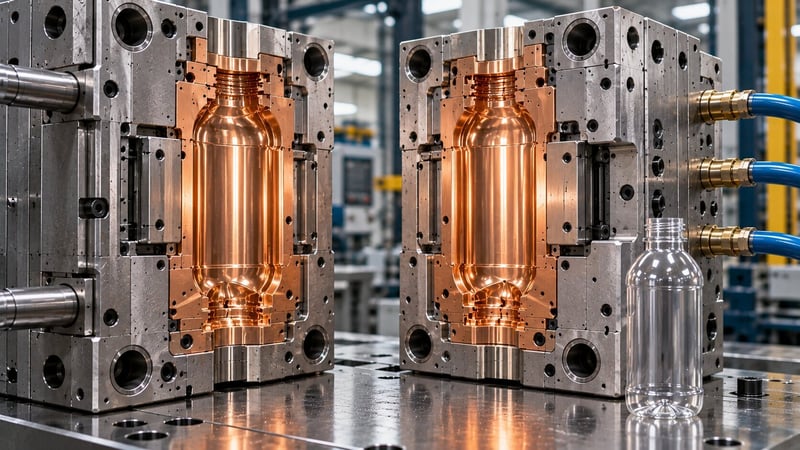
Thermal conductivity is one of the primary factors governing the rate at which heat moves through a mold's core and cavity material during the cooling phase of injection …
AMPCO METAL
Technical knowledge on copper-based alloys, manufacturing processes and industrial applications — written engineer to engineer.
Thermal conductivity is one of the primary factors governing the rate at which heat moves through a mold's core and cavity material during the cooling phase of injection …
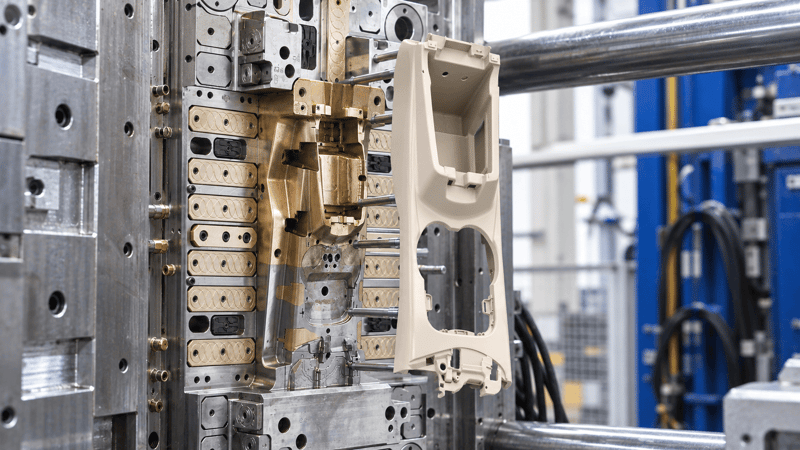
Heat transfer bottlenecks occur when the mold material cannot conduct heat away from the cavity as quickly as the process requires. This results in uneven cooling across …
Cycle time inefficiency is the gap between the cycle time a process should achieve and the cycle time it actually achieves. The gap is easy to measure, but its cause is n…
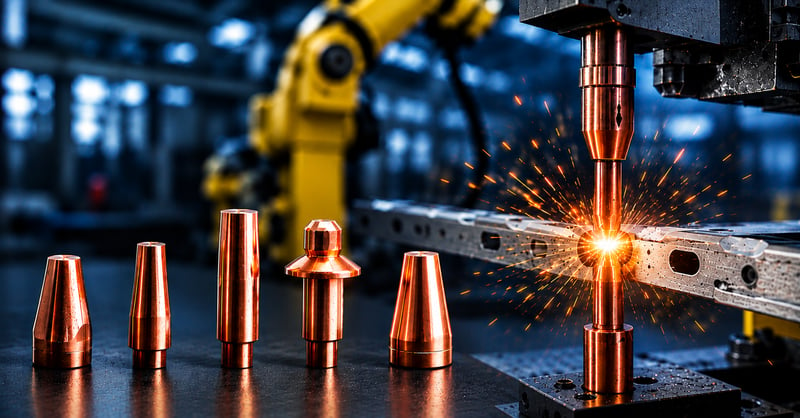
Material selection in welding environments is often validated only after performance limitations become visible in production. These limitations typically appear as incre…
Resistance welding electrode selection is a material-driven decision that directly determines process stability, maintenance frequency, and weld consistency. Electrode pe…
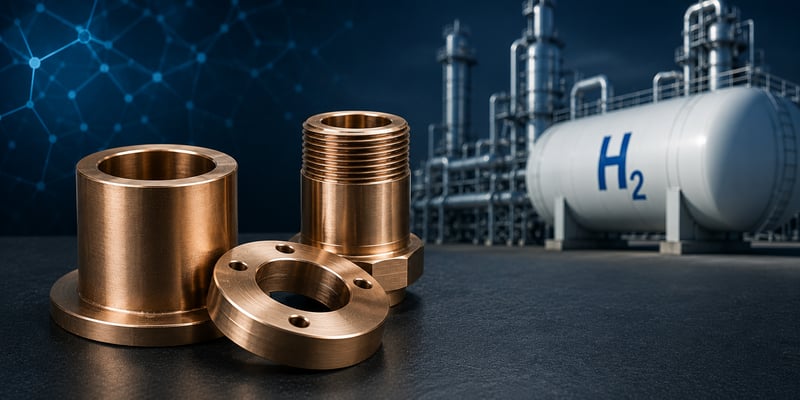
Hydrogen infrastructure is becoming one of the defining engineering questions in the hydrogen economy. Production capacity, electrolyzer costs, and low-carbon supply rema…
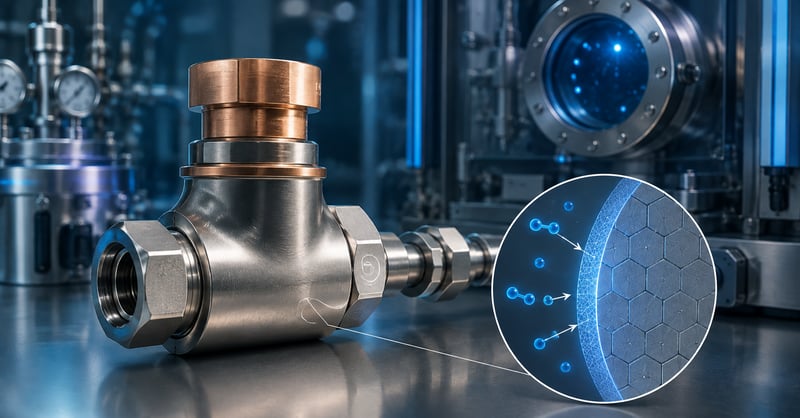
Hydrogen is the smallest atom in nature. While it is useful in energy, chemical, and industrial processes, its size is central to its material risk, especially in metals.…
Hydrogen changes how engineers need to think about material selection. In conventional mechanical design, the first questions often concern strength, wear, corrosion resi…
In cold-chamber high-pressure die casting (HPDC), piston selection is a critical decision for production stability. The piston system influences the heat extraction from …
Weld spatter in MIG/MAG welding results from arc instability, shielding gas composition, and surface condition. Its impact on fixtures and tooling is determined by how ma…
The chemical composition of an aluminum bronze defines what it could be. The manufacturing process defines what it actually is in service. Two materials with identical co…
If you have already identified aluminum bronze as the right material family for your application, the next decision is which grade. The AMPCO® product line covers a struc…
Aluminum bronze is a family of copper-based alloys distinguished by aluminum as their primary alloying element, typically present at 5% to 12% by weight. Unlike tradition…
In most industrial conductivity applications, the first material on the table is pure copper (C11000). It offers the highest electrical conductivity of any commercially a…
In high pressure die casting, the effectiveness of venting depends on how reliably air can escape or be extracted before the metal flows in. The correct configuration com…
High pressure die casting pistons are used where heat, pressure, and sliding contact overlap. A copper-alloy piston head can pull heat out of the biscuit and gate region …
In the die casting process, the fastest gains usually come from improving repeatability at the shot end and air evacuation, not from pushing machine settings harder. High…
High-pressure die casting cycle time is largely decided by shot timing: phase 1 and phase 2 piston speed, the switch-over point, resulting gate velocity, then filling tim…
Die casting defects can be attributed to the following causes, among others: unstable cavity filling, ineffective air evacuation, or unbalanced solidification. This artic…
How does high pressure die casting work? Molten metal is injected into a steel die at high pressure, quickly filling the cavity and solidifying into a precise shape. The …
RWMA classes give engineers a practical baseline for resistance welding electrode selection by grouping copper-based electrode alloys by typical conductivity and strength…
Welding electrode lifespan is often limited by how well the alloy holds its properties under repeated heat and force. Copper alloy microstructure drives electrode tip lif…
In resistance welding, welding electrode materials directly influence current and heat transfer, tip stability, and wear rates. For resistance welding electrodes, copper …
Thermal conductivity plays a direct role in resistance welding stability because it influences how quickly heat is removed from the electrodes and surrounding tooling. Th…
Weld defects can turn a stable resistance welding process into scrap, rework, and downtime. Our article explains how common defects form, what typically causes them, and …
Our application engineers compare alloys on measurable properties — hardness, conductivity, yield strength — against your process conditions.