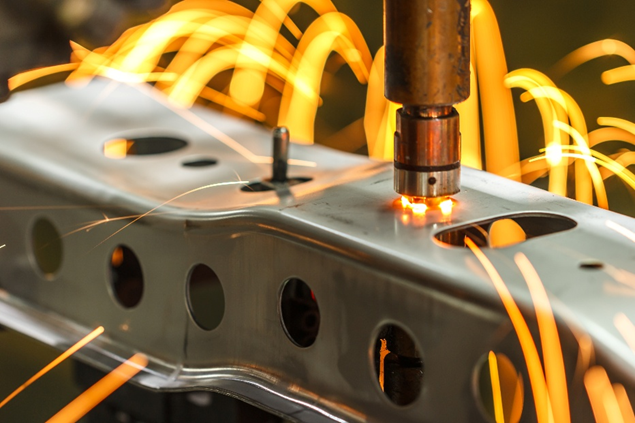
Introduction to Resistance Welding: Processes and Variables
Resistance welding delivers fast, repeatable joining for high-volume production, but results depend on tight control of current, time, force, and electrode condition. Thi…

AMPCO METAL
Technical knowledge on copper-based alloys, manufacturing processes and industrial applications — written engineer to engineer.
Resistance welding delivers fast, repeatable joining for high-volume production, but results depend on tight control of current, time, force, and electrode condition. Thi…

Offshore equipment operates in some of the most demanding environments, where saltwater, pressure, and constant motion accelerate material degradation. AMPCO alloys offer…
Seawater corrosion resistant materials are essential in desalination systems, where metals are exposed to high salt concentrations and constant flow. AMPCO® alloys offer …
Salt water corrosion severely impacts marine equipment, causing metal loss and costly repairs. Aluminum bronze stands out for its ability to resist this harsh environment…
Corrosion resistant materials are essential in industries where metals face constant exposure to moisture, chemicals, or heat. They ensure equipment reliability, reduce m…
The effects of corrosion go far beyond visible surface damage. In industrial settings, corrosion weakens metal structures, disrupts performance, and leads to costly maint…
Corrosion is the gradual deterioration of metal caused by chemical reactions with its surroundings. Understanding what is corrosion and how to prevent it helps industries…
Reducing downtime is one of the most effective ways to improve productivity in wear-intensive industries. Equipment that operates under constant friction and load faces s…
Wear resistant alloys are critical to maintaining performance and reliability in industrial equipment. By minimizing friction and surface degradation, these materials ext…
Surface wear is a progressive form of material degradation caused by friction, sliding contact, and repetitive stress. In industrial operations, it alters surface geometr…
Sliding wear is one of the most common causes of material loss in machinery and industrial components. It occurs when two surfaces move against each other under load, lea…
Material wear occurs gradually, but has significant financial consequences in manufacturing. It leads to part replacement, maintenance interruptions, and reduced producti…
Every moving part experiences wear over time. In manufacturing, this gradual material loss affects performance, efficiency, and lifespan. Understanding what wear is and h…
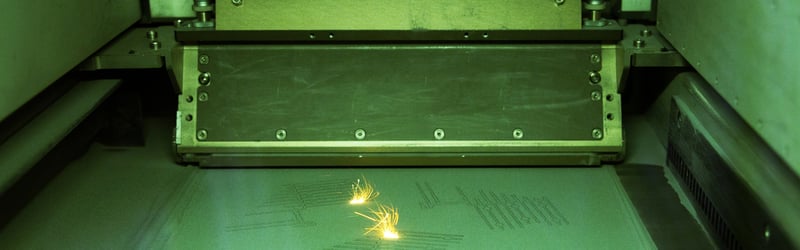
3D printing challenges in industrial production often stem from the limitations of materials rather than the process itself. AMPCO copper alloys are engineered to overcom…
Additive manufacturing applications succeed or fail based on the materials behind them. AMPCO copper alloys have proven their value in real production settings, deliverin…
Additive manufacturing materials define the performance of every printed component, and thermal conductivity is one of the most critical properties. Copper alloys are eme…
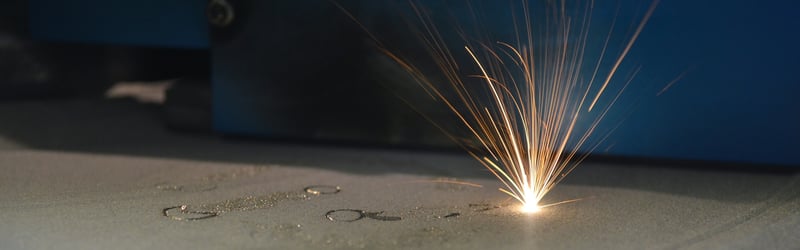
Metal additive manufacturing has long promised efficiency and design freedom, but its real breakthrough comes from the materials behind it. Copper alloys are transforming…
Additive manufacturing technology is evolving beyond its early role, with new trends shaping how industries use it today. Advances in metal processes, performance-driven …
What is additive manufacturing, and why does it matter today? Once used mainly for prototypes, it now drives full-scale production across industries. By building parts la…
Surface quality is one of the most critical performance factors in deep drawing. AMPCO® Aluminum Bronze helps achieve superior surface finishes on deep drawn steel compon…
Deep drawing defects often originate from friction, heat, and uneven material flow during forming. AMPCO® aluminum bronzes reduce these issues by ensuring smoother tool s…
Deep drawing tools must withstand continuous friction, pressure, and heat while delivering flawless surface quality. AMPCO® Aluminum Bronze, known for their strength, wea…
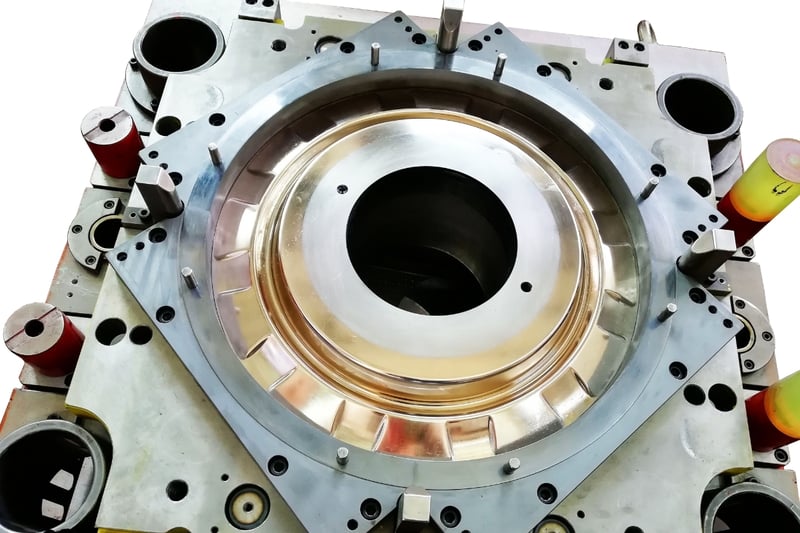
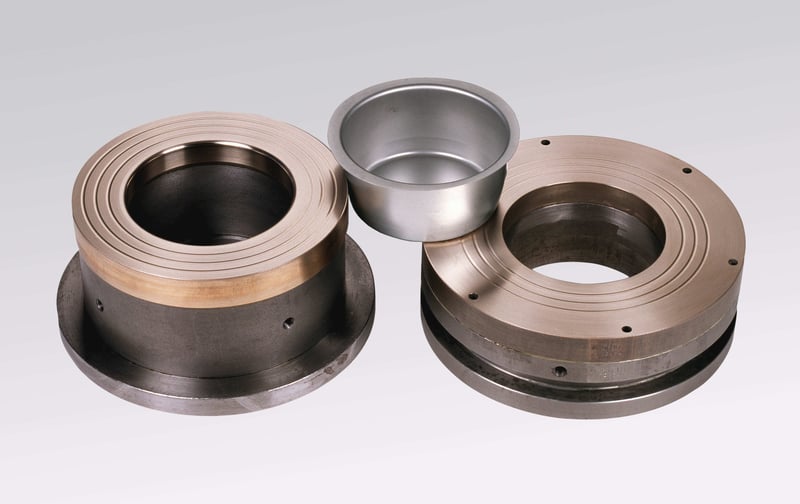
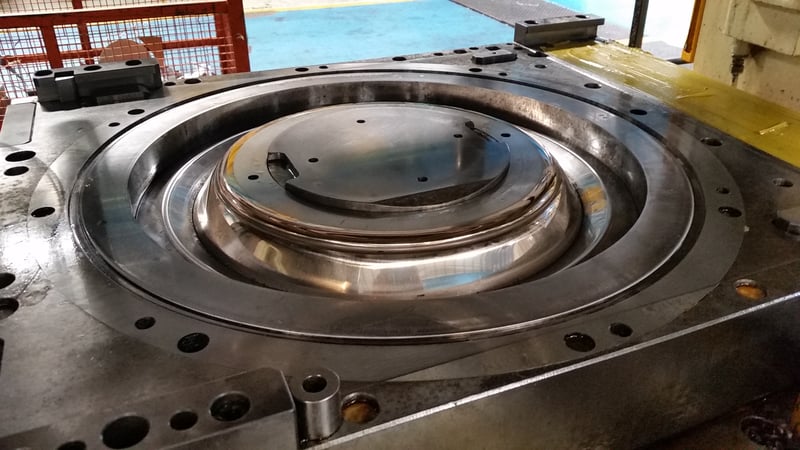
In deep drawing, aluminum bronze is used as a tooling material for dies, punches, blank holders, and draw rings. Its wear resistance, heat dissipation, and clean surface …
Selecting the right deep drawing materials is critical for achieving consistent, high-quality results. While steel is widely used, aluminum bronze offers many unique adva…
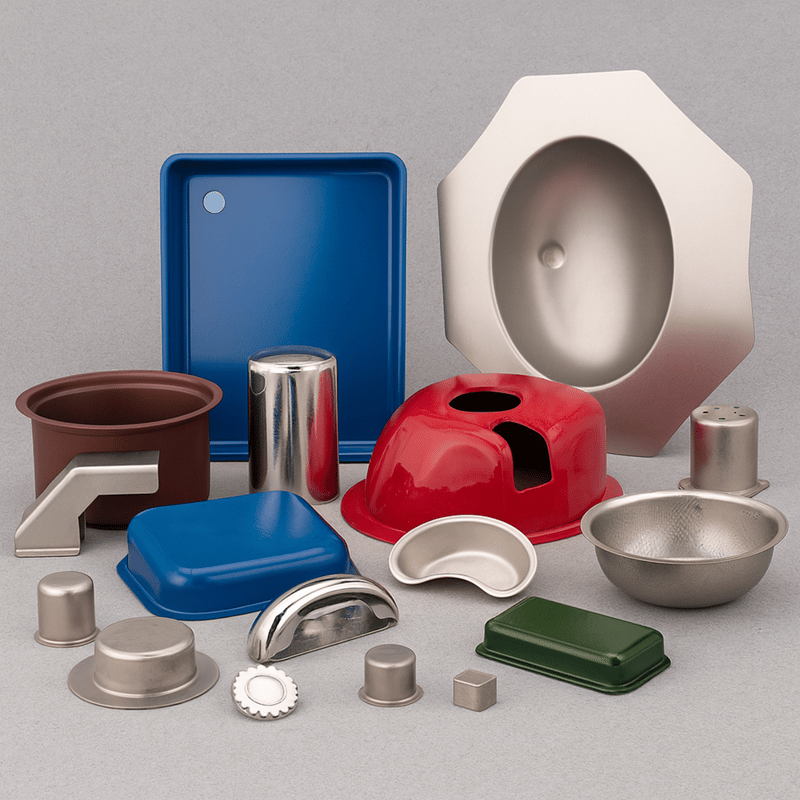
The deep drawing process is a key sheet metal forming method that produces seamless, precise shapes for industries ranging from automotive to packaging. Its efficiency an…
Our application engineers compare alloys on measurable properties — hardness, conductivity, yield strength — against your process conditions.