---
title: AMPCO Seawater Corrosion Resistant Materials for Desalination Systems
description: Desalination plants rely on seawater corrosion resistant materials, such as aluminum bronze, to maintain performance under continuous brine exposure.
image: https://academy.ampcometal.com/hubfs/Piles%20of%20salt.jpg
---
[](https://academy.ampcometal.com/)
- Products
- AMPCO® Aluminium Bronze
- [AMPCO® 8](https://www.ampcometal.com/products/ampco-aluminum-bronze/ampco-8/)
- [AMPCO® 15](https://www.ampcometal.com/products/ampco-aluminum-bronze/ampco-15/)
- [AMPCO® 18](https://www.ampcometal.com/products/ampco-aluminum-bronze/ampco-18/)
- [AMPCO® 18.136](https://www.ampcometal.com/products/ampco-aluminum-bronze/ampco-18-136/)
- [AMPCO® 18.22](https://www.ampcometal.com/products/ampco-aluminum-bronze/ampco-18-22//)
- [AMPCO® 18.23](https://www.ampcometal.com/products/ampco-aluminum-bronze/ampco-18-23/)
- [AMPCO® 21](https://www.ampcometal.com/products/ampco-aluminum-bronze/ampco-21/)
- [AMPCO® 22](https://www.ampcometal.com/products/ampco-aluminum-bronze/ampco-22/)
- [AMPCO® 25](https://www.ampcometal.com/products/ampco-aluminum-bronze/ampco-25/)
- [AMPCO® 26](https://www.ampcometal.com/products/ampco-aluminum-bronze/ampco-26/)
- [AMPCO® 45](https://www.ampcometal.com/products/ampco-aluminum-bronze/ampco-45/)
- [AMPCO® M4](https://www.ampcometal.com/products/ampco-aluminum-bronze/ampco-m4/)
- AMPCOLOY® High Copper Alloy
- [AMPCOLOY® 83](https://www.ampcometal.com/products/ampcoloy-high-copper-alloy/ampcoloy-83/)
- [AMPCOLOY® 88](https://www.ampcometal.com/products/ampcoloy-high-copper-alloy/ampcoloy-88/)
- [AMPCOLOY® 89](https://www.ampcometal.com/products/ampcoloy-high-copper-alloy/ampcoloy-89/)
- [AMPCOLOY® 91](https://www.ampcometal.com/products/ampcoloy-high-copper-alloy/ampcoloy-91/)
- [AMPCOLOY® 95](https://www.ampcometal.com/products/ampcoloy-high-copper-alloy/ampcoloy-95/)
- [AMPCOLOY® 940](https://www.ampcometal.com/products/ampcoloy-high-copper-alloy/ampcoloy-940/)
- [AMPCOLOY® 944](https://www.ampcometal.com/products/ampcoloy-high-copper-alloy/ampcoloy-944/)
- [AMPCOLOY® 972](https://www.ampcometal.com/products/ampcoloy-high-copper-alloy/ampcoloy-972/)
- [Cu-W Sintered](https://www.ampcometal.com/products/ampcoloy-high-copper-alloy/cu-w-sintered)
- AMS Alloys
- [AMS 4590](https://www.ampcometal.com/products/ams-alloys/ams-4590/)
- [AMS 4640](https://www.ampcometal.com/products/ams-alloys/ams-4640/)
- [AMS 4880](https://www.ampcometal.com/products/ams-alloys/ams-4880/)
- [AMS 4881](https://www.ampcometal.com/products/ams-alloys/ams-4881/)
- [Standard Alloys](https://www.ampcometal.com/products/standard-alloys/)
- [Welding Wire](https://www.ampcowelding.com/)
- [Safety Tools](https://www.safetytools.com/)
- Solutions
- Applications
- [Wear Resistance](https://www.ampcometal.com/applications/wear-resistance/)
- [Corrosion Resistance](https://www.ampcometal.com/applications/corrosion-resistance/)
- [Metal Forming & Tooling](https://www.ampcometal.com/applications/metal-forming/)
- [Die Casting](https://www.ampcometal.com/applications/die-casting/)
- [Plastic Processing](https://www.ampcometal.com/applications/plastic-processing/)
- [Resistance Welding](https://www.ampcometal.com/applications/resistance-welding/)
- Industries
- [Aerospace](https://www.ampcometal.com/industries/aerospace/)
- [Automotive](https://www.ampcometal.com/industries/automotive/)
- [General Engineering](https://www.ampcometal.com/industries/general-engineering/)
- [Marine](https://www.ampcometal.com/industries/marine/)
- [Metal Forming](https://www.ampcometal.com/industries/metal-forming/)
- [Oil, Gas & Chemical](https://www.ampcometal.com/industries/oil-gas-chemical/)
- [Plastic Processing](https://www.ampcometal.com/industries/plastic-processing/)
- [Resistance Welding](https://www.ampcometal.com/industries/resistance-welding/)
- [Steel](https://www.ampcometal.com/industries/steel)
- [Hydrogen](https://www.ampcometal.com/industries/hydrogen)
- [Luxury](https://www.ampcometal.com/industries/luxury)
- [Finished Machine Parts](https://www.ampcometal.com/finished-machined-parts/)
- [Additive Manufacturing](https://www.ampcometal.com/additive-manufacturing/)
- [Technical Consulting](https://www.ampcometal.com/technical-consulting/)
- Who We Are
- [Sustainability](https://www.ampcometal.com/sustainability/)
- [Sustainability Management](https://www.ampcometal.com/sustainability/sustainability-management/)
- [Environment](https://www.ampcometal.com/sustainability/environment/)
- [Social](https://www.ampcometal.com/sustainability/social/)
- [Governance](https://www.ampcometal.com/sustainability/governance/)
- [Future Goals](https://www.ampcometal.com/sustainability/furure-goals/)
- [Our History](https://www.ampcometal.com/our-history/)
- [About Us](https://www.ampcometal.com/about-us/)
- [Working at AMPCO](https://www.ampcometal.com/working-at-ampco)
- [Working with AMPCO](https://www.ampcometal.com/working-with-ampco)
- Technical Hub
- Technical Data
- [Application Datasheets](https://www.ampcometal.com/application-datasheets/)
- [Technical Datasheets](https://www.ampcometal.com/technical-datasheets/)
- [Microcast® Technology](https://www.ampcometal.com/mirocast-technology/)
- [Machining Recommendations](https://www.ampcometal.com/machining-recommendations/)
- Documentation
- [Safety Data Sheets](https://www.ampcometal.com/safety-data-sheets/)
- [Certifications](https://www.ampcometal.com/certifications/)
- [Food Approval Data](https://www.ampcometal.com/food-approval-data/)
- [Sales Terms and Conditions](https://www.ampcometal.com/sales-terms-and-conditions/)
- [ATEX Certification Data](https://www.ampcometal.com/atex-certification-data/)
- [Product Selection Tool](https://www.ampcometal.com/product-selection-tool/)
- [Stock Availability](https://www.ampcometal.com/ssd/)
- [Academy](https://academy.ampcometal.com/)
- [Contact](https://www.ampcometal.com/contact-us/#contact-us)
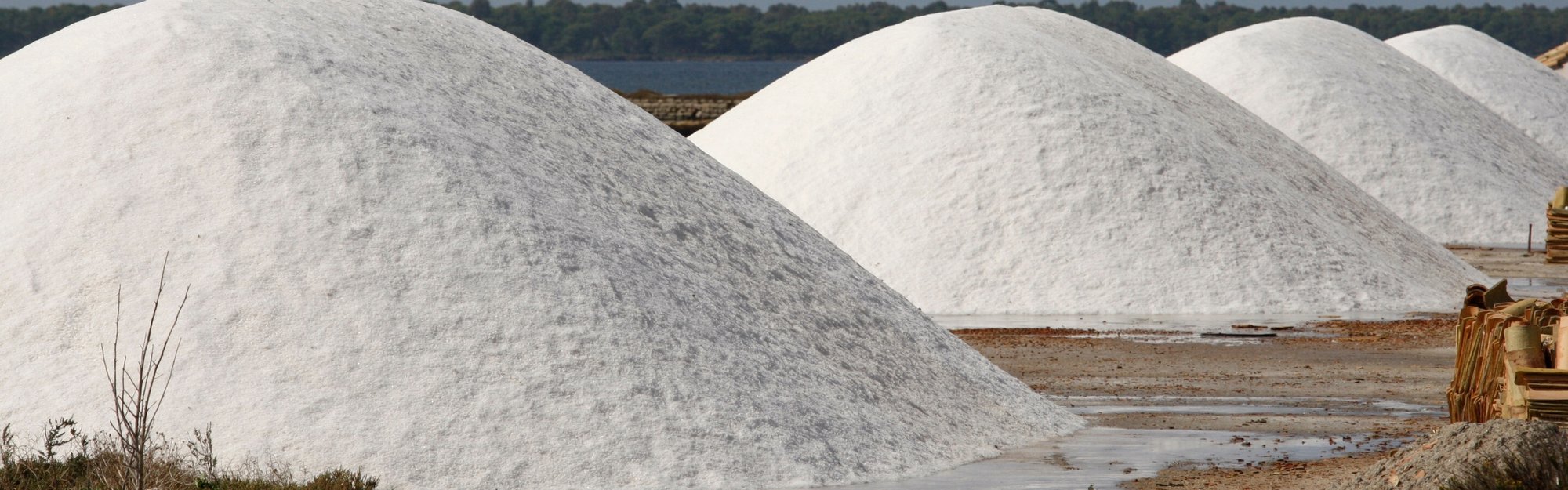
# AMPCO Seawater Corrosion Resistant Materials for Desalination Systems
Dec 22, 2025 3:02:04 PM | Written by [AMPCO METAL](https://academy.ampcometal.com/author/ampco-metal)
- [Tweet](https://twitter.com/share)
**Seawater corrosion resistant materials are essential in desalination systems, where metals are exposed to high salt concentrations and constant flow. AMPCO® alloys offer the strength and corrosion resistance needed to ensure reliable operation and long service life in these demanding environments.**
### Why Corrosion Resistance Is Critical in Desalination
Desalination systems operate in some of the harshest industrial environments, where metals face continuous exposure to saline water, turbulence, and fluctuating temperatures. These conditions accelerate corrosion, leading to premature component wear, leaks, and reduced system efficiency.
Using seawater corrosion resistant materials is essential for maintaining performance and extending equipment lifespan. Alloys that can resist chloride attack and erosion not only prevent mechanical failures but also help reduce maintenance costs and energy losses over time. This is why the material choice in desalination plants directly affects both reliability and operational economics.
[Those who want a more detailed breakdown of AMPCO METAL's alloys and specifically of their characteristics for corrosion resistance corrosion and corrosion protection, can download our extensive technical paper: **Improving Corrosion Resistance of Components by Using AMPCO Alloys**](https://academy.ampcometal.com/landing-page-corrosion-resistance-2025?hsLang=en)
### The Impact of Seawater Corrosion on Desalination Equipment
Corrosion in desalination plants is primarily caused by the continuous movement of saline water through pumps, valves, and piping systems. Chloride ions in seawater penetrate surface films on metals, breaking down protective layers and initiating pitting or crevice corrosion. Once this process begins, the resulting surface roughness increases flow resistance and energy consumption while accelerating further material loss.
Over time, corrosion can lead to reduced heat transfer efficiency in condensers, deformation of pump components, and leakage in water boxes or tube sheets. These failures not only disrupt production but also raise maintenance costs and shorten equipment life. For this reason, desalination systems depend on seawater corrosion resistant materials that maintain both structural integrity and performance under continuous exposure to high-chloride brines.
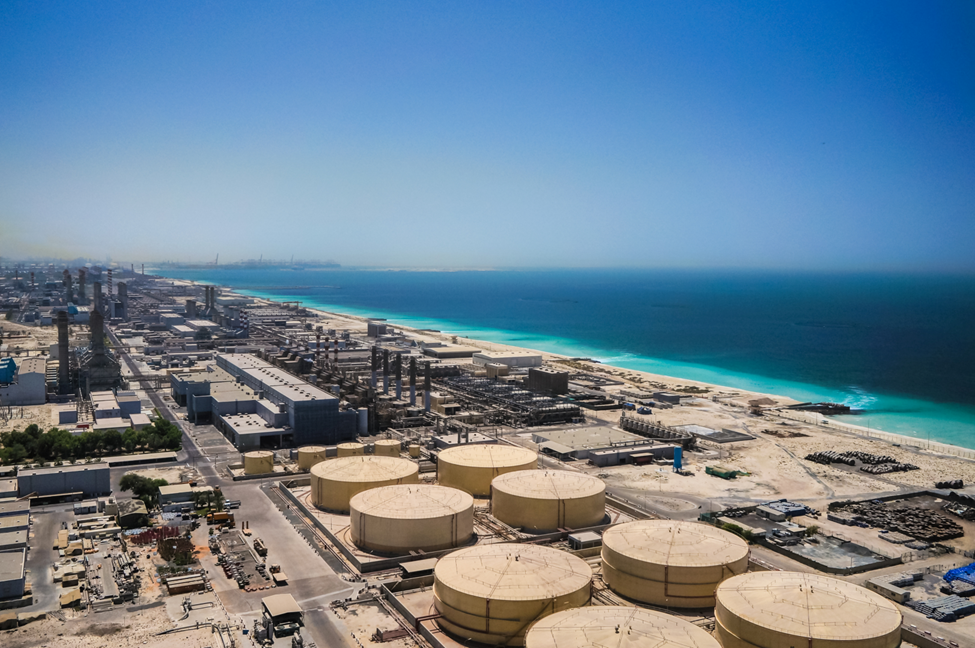*An industrial scope desalination plant*
### How AMPCO Alloys Enhance Durability and Efficiency in Desalination Systems
AMPCO® Aluminum Bronze is engineered to perform reliably in chloride-rich environments where many conventional materials fail. Its[corrosion resistance](https://www.ampcometal.com/applications/corrosion-resistance/) comes from a stable aluminum oxide film that forms naturally on the surface, protecting the underlying metal even in high-velocity or turbulent brine conditions. Unlike coatings, this film is self-repairing, ensuring consistent protection over time.
The mechanical properties of AMPCO alloys add another layer of reliability. High tensile and fatigue strength allow them to withstand pressure and vibration in pumps and valve assemblies, while their resistance to erosion and cavitation reduces surface wear. Alloys such as [**AMPCO® 8**,](https://www.ampcometal.com/products/ampco-aluminium-bronze/ampco-8/) [**AMPCO® 18**](https://www.ampcometal.com/products/ampco-aluminium-bronze/ampco-18/) and [**AMPCO® 45**](https://www.ampcometal.com/products/ampco-aluminium-bronze/ampco-45/) are proven to maintain film stability and dimensional integrity in desalination circuits, helping to minimize energy loss and extend operational intervals between maintenance.
### Applications of AMPCO Alloys in Key Desalination Components
AMPCO® Aluminum Bronzes are widely used in desalination systems where strength, corrosion resistance, and long-term dimensional stability are essential. Their ability to withstand chloride attack and erosion makes them particularly effective in areas with continuous flow and mechanical stress.
**Typical desalination applications include:**
- **Pump shafts and impellers:** Alloys such as **AMPCO® 45** resist erosion–corrosion caused by high-velocity brine and turbulent flow.
- **Valve seats and stems:** **AMPCO® 18** maintains surface integrity under cyclic pressure and resists pitting from saline exposure.
- **Tube sheets and water boxes:** Nickel-aluminum bronzes prevent crevice corrosion and extend component lifespan under high salinity.
- **Bearings and bushings:** **AMPCO® 8** provides low friction and stable performance under seawater lubrication.
- **Connectors and couplings:** Copper-based alloys ensure galvanic compatibility in mixed-metal assemblies and minimize maintenance.
These applications demonstrate how AMPCO alloys combine corrosion resistance with mechanical durability, making them reliable seawater corrosion resistant materials for modern desalination systems.
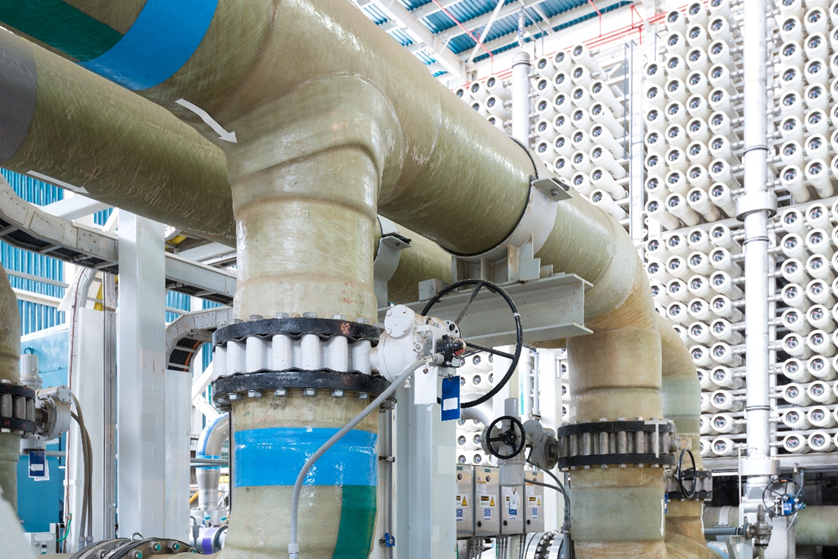*Reverse osmosis equipment in a desalination plant*
### Final Thoughts
Desalination plants demand materials that can perform continuously in saline and high-pressure environments without losing structural integrity. AMPCO® aluminum bronzes meet this challenge by offering a unique balance of corrosion resistance, mechanical strength, and stability under flow. Their proven performance in brine-handling systems reduces downtime, extends service life, and improves energy efficiency across desalination operations.
Those interested in learning more about corrosion behavior, alloy design, and material performance can find detailed resources on the [**AMPCO Academy**](https://academy.ampcometal.com/?hsLang=en), including studies and field applications of copper-based alloys in seawater environments.
For a deeper technical overview of how AMPCO® alloys improve reliability in desalination and other chloride-rich systems, download the technical paper**: “Improving Corrosion Resistance of Components by Using AMPCO Alloys.”**
**[](https://academy.ampcometal.com/landing-page-corrosion-resistance-2025?hsLang=en)**
**[](https://academy.ampcometal.com/hs/cta/wi/redirect?encryptedPayload=AVxigLIqGJdCngQcOXguc4C5EOzwTocj2QSkLv%2FMdecdoGhWQ5KPQj1HhmCD6Jin7WXzE8W3pXaJBLGh9KbaHxuvbgTKEdVorN%2BdG8cIjvWaBZJmoZglTl4MUQEkyLzyGN43JAL65B0b53lEIUb9857PXatCdF33jpG4d%2FQok7NVAk%2BWL5vbTsZ0JkvSq9P5QP%2Fty8I0D%2FqA5%2BqkumBh2LnDsn%2B4VzJLxnaG0w%3D%3D&webInteractiveContentId=202810794099&portalId=5331421&hsLang=en)**
---
[](https://cta-redirect.hubspot.com/cta/redirect/5331421/8da01823-dd9b-42be-91b8-c4efd4d4c1ea)
-
-
-
-
- [Terms of use](https://www.ampcometal.com/terms-of-use/)
- [Privacy](https://www.ampcometal.com/privacy/)
- [Links](https://www.ampcometal.com/links/)
- [Sitemap](https://www.ampcometal.com/sitemap/)
- [Code of ethics and conduct](https://www.ampcometal.com/documents/CODE-of-ETHICS-and-CONDUCT.pdf)
© 2026 AMPCO METAL